A Case for Taking Astrology Seriously.
I love astrology, I really do.
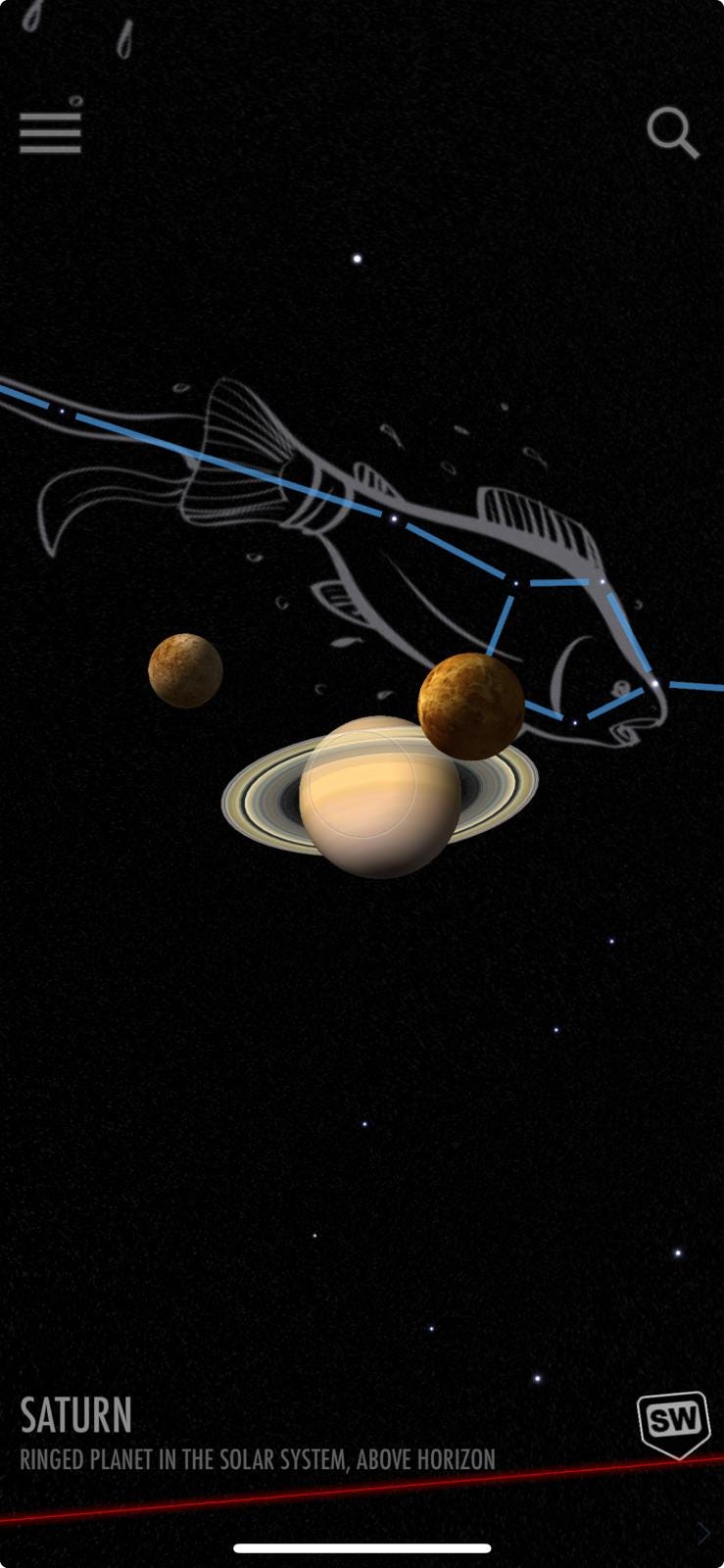
I never fail to feel mesmerized by the night sky and the surreal magnificence of the celestial sphere. Living in a small town in North Scotland, it takes only a few minutes in the car to get somewhere reasonably free from light pollution. On a clear night, I find it relaxing to head out and gawp at the sky.
It’s humbling when I remember that humans have gazed at the same sky for hundreds of thousands of years. I try to imagine life as an ancient observer with no pens, paper, telescopes, calculators, and sky apps.
Intellectual Titans in our Ancestry
Across the years, entire lifetimes of patience, diligence, and the imaginations of some of the greatest minds have brought us here to this point. Here in the 21st century, where people read their daily horoscope in the Daily Mail and wonder if they will find a new partner or win the lottery this weekend.
It’s such a disservice to these intellectual titans of the past to reduce it to this, and enabling it to be so easily dismissed as pseudoscience. Having studied philosophy and theology at university (including philosophy of science), I am a lover of reason, rational thought and empirical evidence, but many, many things cannot currently be answered by science.
That does not make them any less worthy of our continued reverence and attention, particularly when our beliefs play such a large role in the human experience.
Where is the proof?
There is no scientific proof. But, every organized religion has the same challenge. Science cannot prove Jesus’ resurrection, but cannot completely disprove it either.
In Buddhism and Hinduism, concepts of rebirth cannot be proven, but neither can they be disproven.
The idea that the location of the planets can influence our lives, is no less a possibility than the existence of a single, creator God. The two need not necessarily be mutually exclusive either (another one from my small collection of heretical views, I know).

So, where does one draw the line? Are any unprovable beliefs worthy of consideration just because they cannot be empirically proven?
I don’t think so personally. But each to their own, provided it isn’t harmful.
Unlike some beliefs (such as fairies at the bottom of the garden), astrology has a long intellectual history, ideas and myths that have transcended cultures across millennia, for good reason.

Humans long to find meaning. Even the Daily Mail horoscope page is a reminder of the persistent human hunger for connection to something larger, however trivial that may seem.
I think the reason so few people don’t ‘believe’ their horoscopes is because they are usually a reductive, pop-culture bit of fun. They are not a reflection of what actual astrologers practice, past or present.
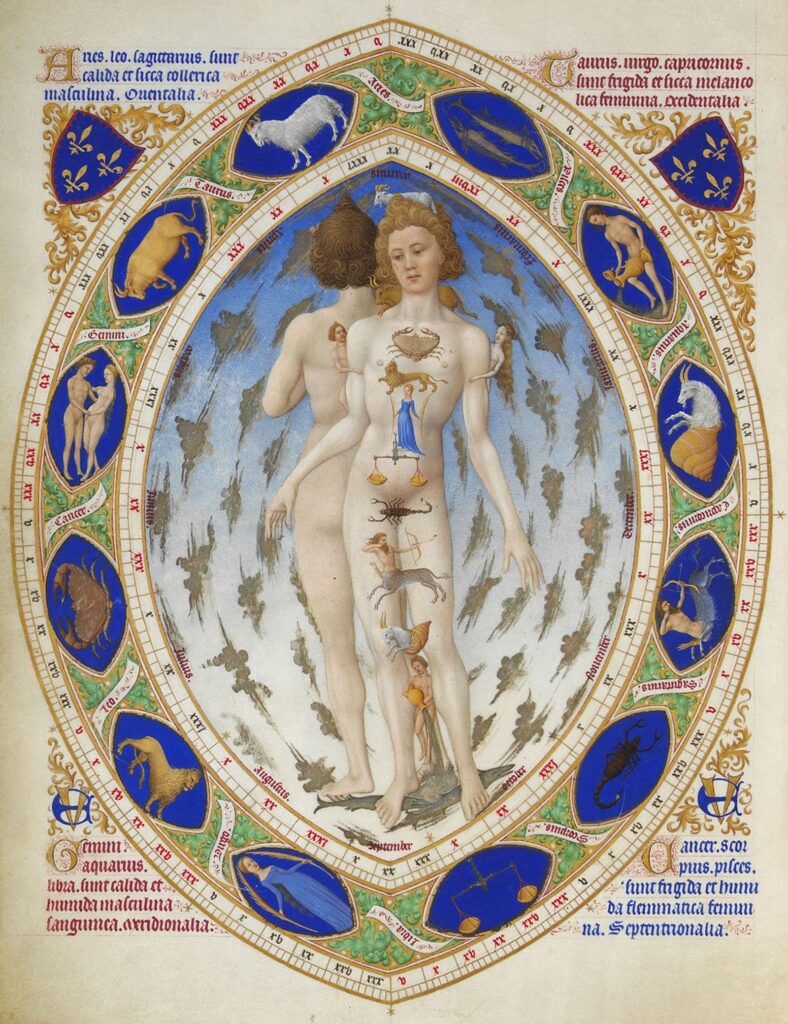
We may no longer chart the heavens with naked eyes, but the human need to wonder, connect, and find patterns in the stars hasn’t gone anywhere, and I’m here for it.
This post reflects my personal views on astrology and is intended for educational and reflective purposes only.