What Does Pluto Represent in Astrology?
In astrology, Pluto represents transformation, regeneration, and power. It’s associated with the cycle of death and rebirth, and with the ability to enter into the deepest parts of the self. Pluto is also linked to intense emotions, psychological depths, and the concept of power dynamics
Sometimes, when it feels like our entire world is crumbling, we look back later and find we managed to emerge stronger than we thought possible at the time.
We wonder how on earth we got through it, and yet here we are, better equipped for next time.
I’ve had countless of these moments in my life, and while I’d rather many had not happened at all, I am thankful for the transformation that I experienced. As Marilyn Monroe once said, ‘Sometimes things fall apart so that better things can fall together’.
We all have it, albeit to greater and lesser degrees. That dark night of the soul where everything we think we know about ourselves gets stripped away. That phoenix moment when we rise from our own ashes, transformed beyond recognition.
In astrology, this is Pluto’s energy. The cosmic alchemist that destroys, transforms, and ultimately regenerates. He doesn’t ask permission before tearing down what no longer serves, but when the metamorphosis is complete, we are reborn with a bit more power and strength that we never knew we had.
All of the planets and other celestial bodies in our solar system have archetypes, symbolic meanings and energy associated with them. The purpose of this post is to explore in detail what Pluto means in our birth chart.
Pluto can be our most potent catalyst for psychological transformation, personal empowerment, and soul evolution.
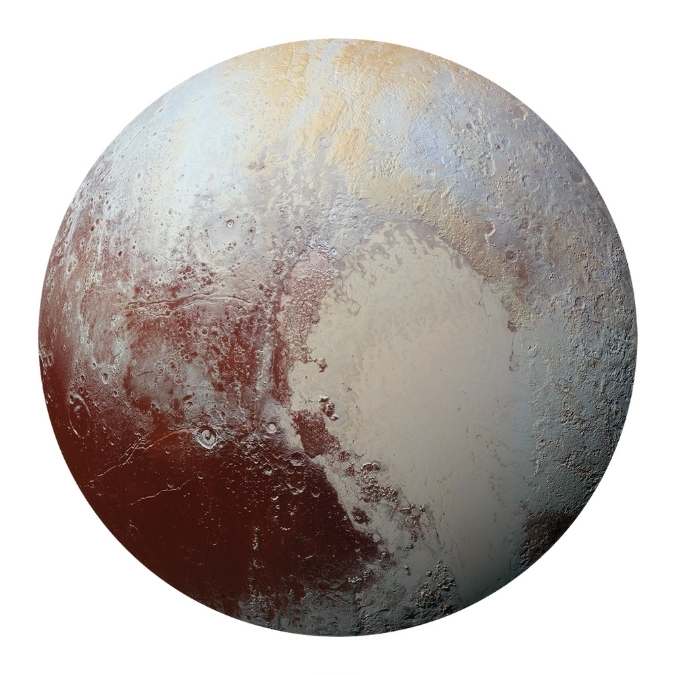
Pluto’s Meaning in Astrology
Pluto is the planet of transformation, death and rebirth, power, and the unconscious depths. He penetrates to the core and transforms from within. While Jupiter expands on the surface, Pluto digs deep into hidden truths. He governs the invisible forces and the psychological undercurrents, the buried trauma, the shadow material that molds us from beneath consciousness.
We might say that Pluto asks us: ‘Are you ready to face the truth of who you really are?’
Discovered in 1930, Pluto’s arrival coincided with the rise of Western psychology, atomic power, and the mass destruction and atrocities associated with the WWII. These themes of often darker hidden forces were brought to light with transformative consequences.
Modern astrology sees Pluto as the Great Transformer. He is not a destroyer for destruction’s sake, but more of a regenerator, like a phoenix rising from the ashes. A catalyst for soul evolution through crisis and rebirth.
Pluto’s Mythology: Lord of the Underworld’s Wisdom
He takes his name from the Roman god of the underworld, and known as Hades in Greek mythology, ruler of death, rebirth, and all hidden riches beneath the earth’s surface.
In myth, Pluto ruled the realm of the dead, and also all precious metals and gems hidden deep underground. Hence, he gained his title as the god of wealth. His most famous story involves abducting Prosperina, the Roman goddess of the underworld dragging her into the underworld where she became queen (Persephone in Greek mythology). This myth symbolizes the soul’s descent into darkness to retrieve hidden power and wisdom.

I love Rubens’ dramatic interpretation here. The violence and urgency of the moment are portrayed so vividly as Pluto seizes Proserpina in a sweeping, powerful motion that fuses their bodies into a single radiant diagonal. This is contrasted sharply by the darker diagonal of Minerva, who rushes in vain to stop the abduction.
In myth, he wore a helmet of invisibility, allowing him to move unseen through both worlds. He is also famous for owning a three-headed dog, Cerberus, who guarded the gates between life and death, ensuring nothing impure could enter or leave his domain.
This mythology captures Pluto’s essence. He symbolizes the journey into psychological depths to retrieve that buried treasure, the gold of authentic selfhood.
He represents the part of us that must die for something greater to be born, the shadow work that transforms poison into medicine.
Pluto Mythology in Astrology
In astrology, this shows up as periods of intense crisis that strip away false identities, revealing our true purpose. It cn be tough, but that painful descent into darkness precedes the spiritual rebirth that we need at that moment.
Pluto teaches us through destruction and regeneration, representing the part of us that refuses to accept surface solutions, demanding instead the complete transformation that comes from facing our deepest truths. It’s full transformation when a quick fix just won’t cut it.
Pluto Glyph
Pluto’s glyph (♇) combines a circle (spirit) above a crescent (receptivity) above a cross (matter), creating a symbol that represents spirit receiving and transforming matter.
Some interpretations see the symbol as representing the triumph of spirit over matter through transformation, while others view it as the soul’s receptivity to deep, transformative experiences that fundamentally alter material reality.
The glyph captures Pluto’s essence: the capacity to receive profound spiritual insights through intense material experiences, transforming both consciousness and physical reality in the process.
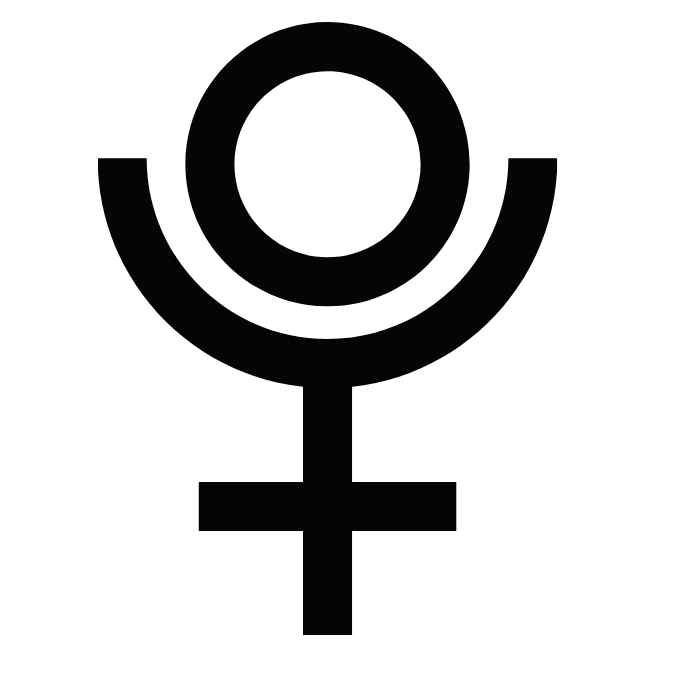
The Pluto symbol represents the soul’s work of alchemical transformation, turning the lead of unconscious patterns into authentic self-expression.
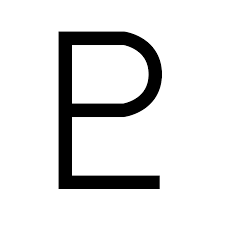
You may also see it represented on birth charts as the image below, with a P and an L. placed into a monogram. P and L are also the initials of Percival Lowell, who predicted the discovery of the ninth planet in 1905.
What Does Pluto Represent in Our Charts?
Pluto shows us:
- Where we experience intense transformation and rebirth
- Where we encounter power struggles and control issues
- Where we must face your shadow and unconscious patterns
- Where we can develop authentic personal power
- Where we serve as an agent of collective transformation
Common Pluto themes include:
- Death and rebirth cycles
- Power and control dynamics
- Shadow work and psychological depth
- Obsession and compulsion
- Secrets and hidden truths
- Healing and regeneration
- Sexual and creative power
- Collective and generational change
We can think of Pluto as a cosmic psychologist, relentless but transformative. The part of us that won’t settle for superficial change but demands complete metamorphosis.
Pluto by Element: The Transformation
Each element gives Pluto a different area in each associated sign of the zodiac to transform and regenerate:
Air Signs (Gemini, Libra, Aquarius): Pluto transforms thinking patterns and social connections. Revolutionary ideas, intense communication, and the power to influence collective thought emerge through mental and social crises.
Earth Signs (Taurus, Virgo, Capricorn): Pluto transforms material structures and practical systems. Intense changes to resources, work, and physical reality. The power to rebuild material foundations from the ground up.
Water Signs (Cancer, Scorpio, Pisces): Pluto flows naturally here, intensifying emotional and psychic transformation. Deep psychological healing, powerful intuitive abilities, and the capacity for profound emotional regeneration.
Fire Signs (Aries, Leo, Sagittarius): Pluto transforms creative and spiritual expression. Intense personal transformation, powerful leadership abilities, and the capacity to inspire others through your own phoenix journey.
Pluto by Modality: The Method
Cardinal Signs (Aries, Cancer, Libra, Capricorn): Pluto initiates major life transformations and power struggles. The challenge is learning to lead transformation rather than resist it.
Fixed Signs (Taurus, Leo, Scorpio, Aquarius): Pluto intensifies and deepens existing patterns before transforming them completely. The lesson is learning when to hold on and when to let death and rebirth occur.
Mutable Signs (Gemini, Virgo, Sagittarius, Pisces): Pluto transforms through constant change and adaptation. The gift is learning to flow with continuous cycles of death and rebirth.
Pluto Through the Zodiac: What You Transform
As Pluto moves through the zodiac signs (spending 12-32 years in each sign due to its elliptical orbit), he transforms entire generations. With this in mind, Pluto is very interesting in Mundane Astrology.
Because Pluto stays in each sign for many years, it influences whole generations more than individuals. In a personal birth chart, it’s the house placement and aspects to personal planets that reveal how Pluto’s energy plays out uniquely for us.
Pluto in Aries (1822-1853): Transforming individual identity and pioneering spirit. Revolutionary self-assertion and the power of personal initiative.
Pluto in Taurus (1853-1884): Transforming material values and resources. Revolutionary approaches to wealth, land, and physical security.
Pluto in Gemini (1884-1914): Transforming communication and transportation. Revolutionary technologies that changed how information travels.
Pluto in Cancer (1914-1939): Transforming home, family, and national identity. Two world wars that reshaped concepts of security and belonging.
Pluto in Leo (1939-1957): Transforming creative expression and leadership. The atomic age, entertainment industry, and powerful individuals who changed the world.
Pluto in Virgo (1957-1972): Transforming health, work, and service. Revolutionary approaches to medicine, environmental awareness, and social service.
Pluto in Libra (1972-1984): Transforming relationships and justice. Revolutionary changes in marriage, partnerships, and legal systems.
Pluto in Scorpio (1984-1995): Transforming sexuality, power, and hidden truths. The AIDS crisis, sexual revolution, and exposure of deep societal shadows.
Pluto in Sagittarius (1995-2008): Transforming beliefs, religion, and global consciousness. The internet revolution and transformation of how we access truth and meaning.
Pluto in Capricorn (2008-2024): Transforming authority, government, and institutional structures. Economic crises and the breakdown of traditional power structures.
Pluto in Aquarius (2024-2044): Transforming technology, social consciousness, and collective humanity. Revolutionary changes in how we connect and serve the greater good.
Pluto in the Houses: Where the Phoenix Rises
1st House: Personal transformation and regeneration. Intense changes to identity, appearance, and life direction. The power to reinvent ourselves completely.
4th House: Family and ancestral transformation. Deep psychological work around childhood, roots, and generational patterns. Transforming the foundation of our lives.
7th House: Relationship transformation and power dynamics. Intense partnerships that transform us, or the need to transform how we relate to others.
8th House: Pluto’s natural home. Profound experiences with death, rebirth, sexuality, and shared resources. Direct access to transformative power and psychological depth.
10th House: Career and reputation transformation. Intense changes to public role, career path, or relationship with authority. The power to transform societal structures.
12th House: Spiritual and unconscious transformation. Deep psychological work, spiritual regeneration, and the power to heal collective wounds through our own transformation.
(Each house has meaning, and these are just a few examples. Pluto brings intense transformation and regeneration wherever he lands.)
Why Pluto Is Actually Your Evolutionary Catalyst
Pluto destroys so we can be reborn. His crises strip away illusion until we see with the eyes of truth, and with that, true power..
He teaches us that:
- Growth without death remains superficial
- Power without transformation becomes corruption
- Healing without facing shadow stays incomplete
- Change without depth doesn’t last
- Evolution requires letting go of who you used to be
Pluto wants us to discover your soul’s true power, not just our ego’s desires. And once we do, we can become an agent of transformation for others and the world.
Working With Pluto’s Energy
- Embrace the darkness. Pluto’s gifts come through facing what we’d rather avoid.
- Do shadow work. Explore your unconscious patterns, fears, and hidden motivations.
- Let things die. Don’t cling to relationships, identities, or situations that have outlived their purpose.
- Develop healthy power. Learn to influence and transform rather than control or manipulate.
- Trust the process. Pluto’s transformations take time and can’t be rushed.
- Seek depth. Surface solutions won’t satisfy Pluto’s demand for complete transformation.
- Serve something greater. Use your transformative experiences to help others navigate their own phoenix journeys.
The Shadow of Pluto: Navigating the Underworld
Pluto’s shadow includes:
- Obsession and compulsion: Becoming consumed by the need to control or transform
- Power struggles: Using manipulation or coercion to get what we want
- Destructiveness: Destroying without purpose or wisdom
- Paranoia: Seeing threats and conspiracies everywhere
- Revenge and grudges: Holding onto pain and using it as a weapon
- Extremism: All-or-nothing thinking that destroys nuance and balance
Working with Pluto means learning to channel transformative power wisely, destroying only what truly needs to die and rebuilding with consciousness and compassion.
Pluto Makes Us Powerful
Pluto is the part of us that says, ‘This ends here.’
We may fear his intensity while we’re in the underworld of transformation, but when we emerge, we have a better understanding of ourselves. We are not destroyed, we now know who we really are beneath all the masks and pretenses.